Dead Tree Removal in Allentown, PA
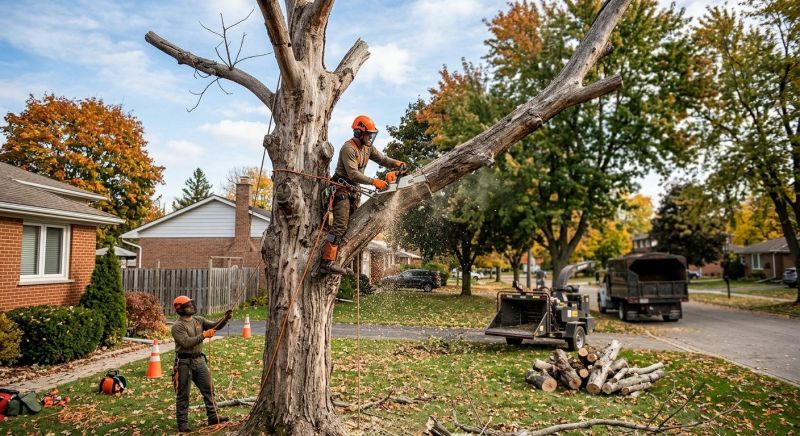
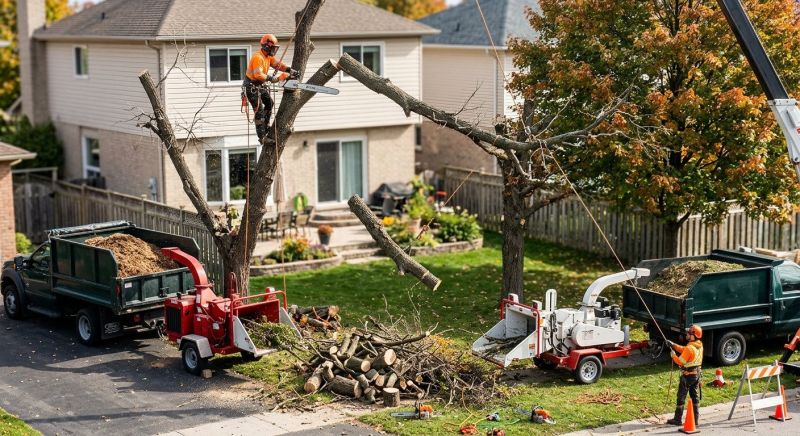
Dead tree removal services involve safely and efficiently removing trees that are dead, dying, or pose a risk to the property. This type of project typically includes assessing the condition of the tree, planning the safest method of removal, and performing the work to prevent damage to surrounding landscaping, structures, or utility lines. Homeowners often request this service when a dead or hazardous tree threatens safety, blocks views, or encroaches on buildings and power lines, ensuring the property remains safe and visually appealing.
Before requesting dead tree removal, property owners should consider the size and location of the tree, as well as any potential obstacles such as nearby structures or underground utilities. It is also helpful to understand the overall health of the tree and whether removal is necessary or if other options, like pruning, might be suitable. Proper planning and clear communication about the scope of work can help ensure the project proceeds smoothly and safely.
Many property owners in Allentown, PA look into Dead Tree Removal for repairs, replacements, upgrades, and appearance-related improvements.
Hazardous Tree Removal
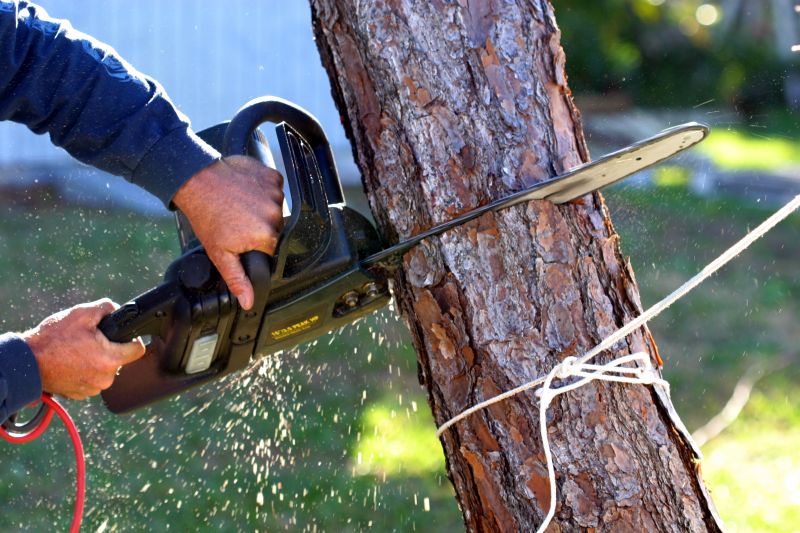
Removing dead trees reduces the risk of falling branches and property damage.
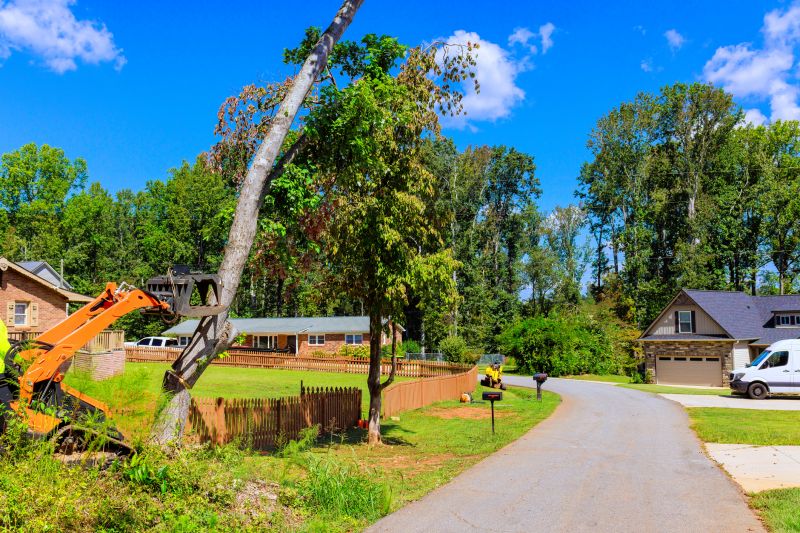
Property Safety And Maintenance
Clearing dead trees helps maintain a safe and attractive landscape around homes and businesses.
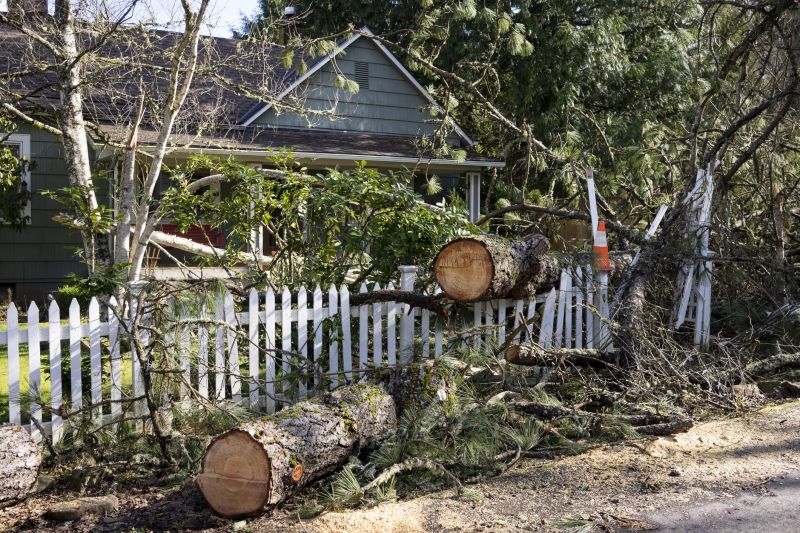
Tree Health And Prevention
Removing dead trees can prevent the spread of disease to healthy trees on your property in allentown, pa.
Dead Tree Removal in Allentown, PA
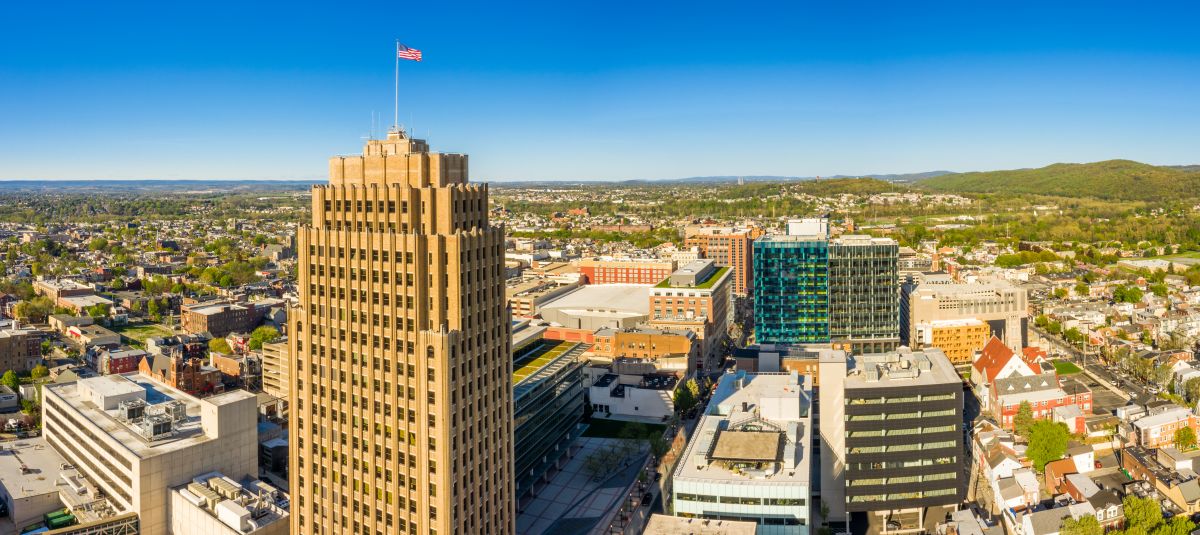
Dead tree removal services involve safely and efficiently removing trees that are dead, dying, or pose a risk to the property. This type of project typically includes assessing the condition of the tree, planning the safest method of removal, and performing the work to prevent damage to surrounding landscaping, structures, or utility lines. Homeowners often request this service when a dead or hazardous tree threatens safety, blocks views, or encroaches on buildings and power lines, ensuring the property remains safe and visually appealing.
Before requesting dead tree removal, property owners should consider the size and location of the tree, as well as any potential obstacles such as nearby structures or underground utilities. It is also helpful to understand the overall health of the tree and whether removal is necessary or if other options, like pruning, might be suitable. Proper planning and clear communication about the scope of work can help ensure the project proceeds smoothly and safely.
Many property owners in Allentown, PA look into Dead Tree Removal for repairs, replacements, upgrades, and appearance-related improvements.
Common Dead Tree Removal Jobs
Dead tree removal - safely eliminates hazardous or decaying trees from residential properties.
Storm-damaged tree removal - clears trees broken or compromised by severe weather events.
Overgrown tree removal - reduces excessive tree growth that impacts property access or aesthetics.
Uprooted tree removal - removes trees that have fallen or are leaning dangerously on the property.
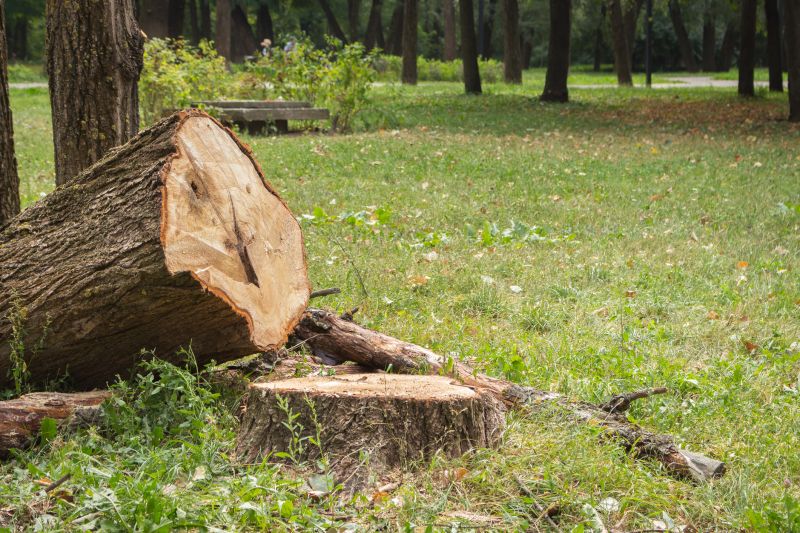
Stump removal - extracts remaining stumps after tree removal to prevent pest infestations and improve yard appearance.
Emergency dead tree removal - responds promptly to urgent situations involving unsafe or fallen trees.
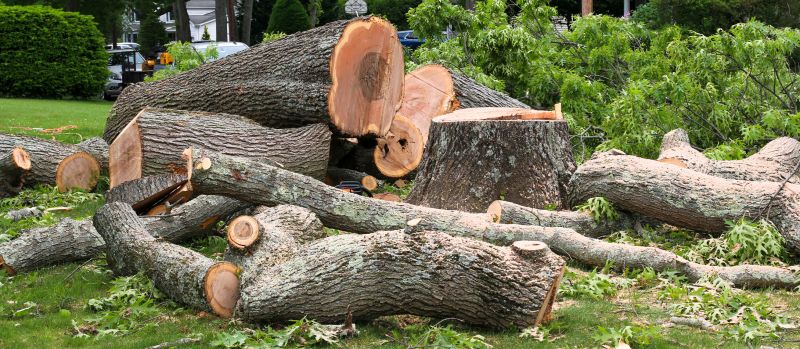
Dead Tree Removal Questions
What is dead tree removal? Dead tree removal involves safely cutting down and removing trees that are no longer alive or pose a risk to the property.
Why should dead trees be removed? Removing dead trees helps prevent potential damage from falling branches or the entire tree, and improves overall landscape safety.
What types of trees are typically removed? Commonly removed trees include those that are diseased, damaged, or dead, regardless of species.
Is dead tree removal necessary for safety? Yes, removing dead trees reduces the risk of falling limbs or trees, helping to protect property and people nearby.
Request Dead Tree Removal in Allentown, PA
Use the quote form on this page to share the basics of your project and request more information for the type of work you need.